Best when the tooth is still present but needs stronger coverage.
Used for cracked teeth, large fillings, worn teeth, root-canal protection, and implant crowns.


Crowns protect teeth that are cracked, worn, heavily filled, or too weak for a regular filling. Bridges replace one or more missing teeth with a fixed restoration that does not come in and out.
A consultation helps the doctor see how much tooth remains, whether the bite is stable, whether the neighboring teeth are strong enough, and whether an implant or removable option would be better.
Used for cracked teeth, large fillings, worn teeth, root-canal protection, and implant crowns.
A traditional bridge is fixed in place and does not come in and out like a partial denture.
Implant options depend on bone, health history, timing, restoration space, and budget.
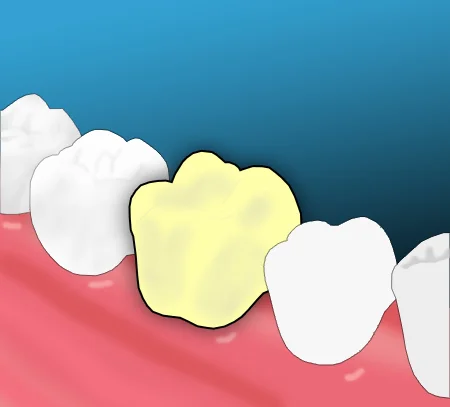
The exam and X-ray help show whether the tooth has enough structure for a crown.
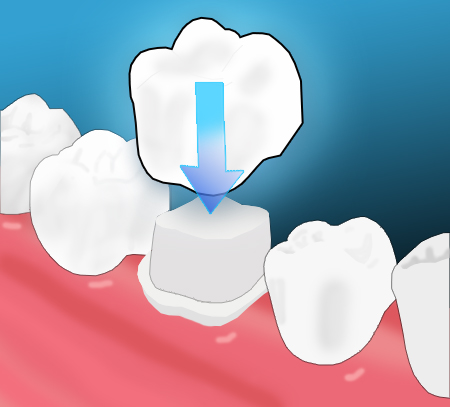
The tooth is shaped and scanned or impressed so the crown can fit accurately.
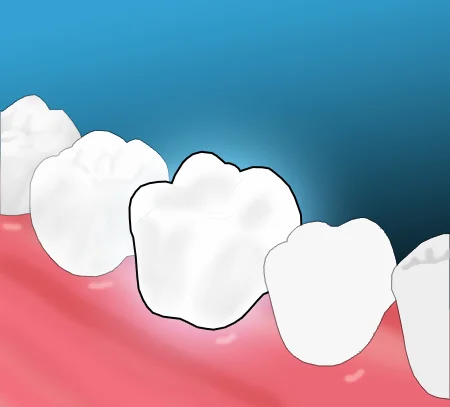
The final crown is adjusted for bite and cemented when the fit is right.
A loose crown or bridge is not always the same problem. Sometimes it can be re-cemented. Sometimes decay, fracture, lost bone, or too little tooth structure changes the plan. The safest first step is to look at the tooth, take radiographs when needed, and explain the choices in plain language.
A crown, sometimes called a cap, is a fixed restoration that covers and protects a natural tooth structure or an implant. It is cemented by the dentist and is not removable by the patient.
A crown may be recommended if a tooth is damaged, decayed, cracked, worn, or has a very large filling and needs more protection than a regular filling can provide.
A bridge can replace one or more missing teeth by connecting to the tooth or teeth on both sides of the missing space. A traditional bridge is permanent and is not removable.
The office can evaluate loose fillings, crowns, bridges, and implants. Depending on X-rays and how much tooth remains, a crown or bridge may sometimes be redone, reattached, or cemented.
If a tooth is broken, loose, fractured, or has lost too much support, the doctor may discuss removal and replacement options such as an implant, bridge, or removable partial denture.
Some hot, cold, or gum sensitivity can happen after crown or bridge treatment and often settles within a few days. If pain feels severe, lasts, or the bite feels high, call the office.